Linen Fabric Manufacturing
in Turkey
Specialized in premium linen garment production with expert fabric handling, proper finishing techniques, and attention to linen's unique characteristics. From 100% pure linen to sophisticated blends for breathable summer collections.
Linen Fabric Key Properties
Breathability
Superior air circulation and temperature regulation
Moisture Wicking
Quick drying natural fiber ideal for warm climates
Eco-Friendly
Natural, biodegradable, and sustainable fabric choice
Why Brands Choose Linen
Linen is a natural cellulose fiber from flax plants, prized for breathability, moisture-wicking, and luxury drape—ideal for elevated casualwear and summer collections.
Breathability
Excellent air circulation keeps wearers cool in warm weather
Moisture Wicking
Absorbs and releases moisture quickly for comfort
Temperature Control
Natural thermoregulation adapts to body temperature
Sustainable
Biodegradable natural fiber with low environmental impact
Linen Fabric Options We Work With
100% Pure Linen
Authentic linen character with natural slubs and texture. Available in various weaves from loose to tight constructions.
- 120-200 GSM for lightweight summer garments
- 200-280 GSM for structured shirts and dresses
- Plain weave, twill weave, or herringbone
- Natural, yarn-dyed, or piece-dyed options
Linen-Cotton Blends
Combining linen's breathability with cotton's softness and wrinkle resistance. Popular blends: 55/45, 60/40, or 70/30 linen-cotton.
- Less wrinkling than pure linen
- Easier care and maintenance
- Softer hand feel than 100% linen
- Ideal for t-shirts and casual shirts
Linen-Viscose Blends
Linen's breathability meets viscose's drape and sheen. Common ratios: 50/50, 60/40, or 70/30 linen-viscose.
- Elegant drape for dresses and flowy garments
- Subtle sheen and smooth surface
- Better color absorption than pure linen
- Excellent for printed designs
Common Linen Garment Types We Manufacture
Linen T-Shirts
Relaxed fit, crew neck or V-neck styles in 100% linen or blends
Linen Shirts
Button-down, short sleeve, long sleeve with proper collar construction
Linen Dresses
A-line, maxi, or shirt dresses with proper lining considerations
Linen Pants
Wide-leg, tapered, or cropped styles with reinforced construction
Technical Considerations for Linen Manufacturing
Shrinkage Management
Linen naturally shrinks 3-5% after first wash. We pre-shrink fabrics or account for shrinkage in pattern grading.
- •Pre-washing fabric before cutting (recommended for 100% linen)
- •Pattern adjustments to compensate for expected shrinkage
- •Detailed care label instructions for end customers
Finishing & Dyeing
Linen requires specific finishing techniques to achieve desired softness and appearance while maintaining natural character.
- •Enzyme washing for softer hand feel
- •Stone washing for vintage or relaxed aesthetic
- •Reactive dyes for colorfastness and vibrancy
Construction Quality
Linen's natural properties require adjusted sewing techniques for professional results.
- Proper needle selection (sharp needles, size 70-80)
- French seams or flat-felled seams for clean finish
- Reinforced stress points (pockets, buttonholes)
- Careful pressing techniques to avoid shine marks
Quality Control Checkpoints
Specific QC steps for linen garments ensure consistent quality across production runs.
- Fabric inspection for slubs, thick/thin areas
- Color consistency across fabric rolls
- Wash testing for shrinkage and colorfastness
- Measurement verification after washing
Private Label Linen Clothing Services
Full-service private label manufacturing for linen garments with your brand identity
Custom Labels & Tags
Woven labels, printed care labels, hangtags with brand messaging
Packaging Solutions
Poly bags, tissue paper, boxes with logo printing
Fabric Development
Custom linen blends, weights, and finishes
Design Support
Tech pack review, pattern adjustments for linen characteristics
Sampling & Production Timeline
Sampling Process
Development samples with your linen fabric selection or our recommendations
First Sample
7-10 days
Revision Sample
5-7 days
Pre-Production Sample
3-5 days
MOQ & Capacity
Minimum Order Quantity
150-300 pieces per style/color combination (depends on fabric sourcing)
Production Timeline
45-60 days after approval (includes fabric lead time)
Frequently Asked Questions
Why does linen wrinkle so easily?
Linen fibers have low elasticity, which causes wrinkling. This is considered part of linen's natural charm and "lived-in" aesthetic. Linen-cotton or linen-viscose blends reduce wrinkling while maintaining breathability.
Can you source 100% European linen?
Yes, we can source European linen (often from Belgium or France) which is considered the highest quality. We can also source Chinese linen at more accessible price points. We'll provide swatches for comparison.
How do you handle linen shrinkage?
We either pre-wash linen fabrics before cutting (recommended for 100% linen) or adjust pattern grading to account for 3-5% shrinkage. Wash testing is performed on every production run to verify dimensions after laundering.
What's the best linen blend for t-shirts?
55% linen / 45% cotton or 60% linen / 40% cotton blends are ideal for t-shirts. They offer linen's breathability with cotton's softness and reduced wrinkling. Weight typically 150-180 GSM.
Can linen garments be printed or embroidered?
Yes. Screen printing and embroidery work well on linen. The fabric's texture adds character to designs. We recommend testing on samples first as linen's uneven surface can affect print clarity.
Is linen more expensive than cotton?
Yes, linen is typically 30-50% more expensive than standard cotton due to more complex cultivation and processing. However, linen's durability and premium positioning justify higher retail prices.
What colors are available for linen fabric?
Natural/undyed linen is most common (beige/oatmeal tones). Piece-dyed linen is available in a wide color range, though deeper colors may show slight fading over time. Yarn-dyed options offer the best colorfastness.
Do you recommend lining for linen dresses?
For lighter-weight linen (under 150 GSM), lining is recommended for opacity and drape. Heavier linen (180+ GSM) often doesn't require lining. We'll advise based on your specific design and fabric choice.
Products Made with This Fabric
Our premium linen fabric is perfect for breathable, natural-fiber garments:
Ready to Create Premium Linen Garments?
Partner with linen manufacturing specialists who understand proper fabric handling and finishing
Products Made with Linen Fabric
Explore more manufacturing options from our product range
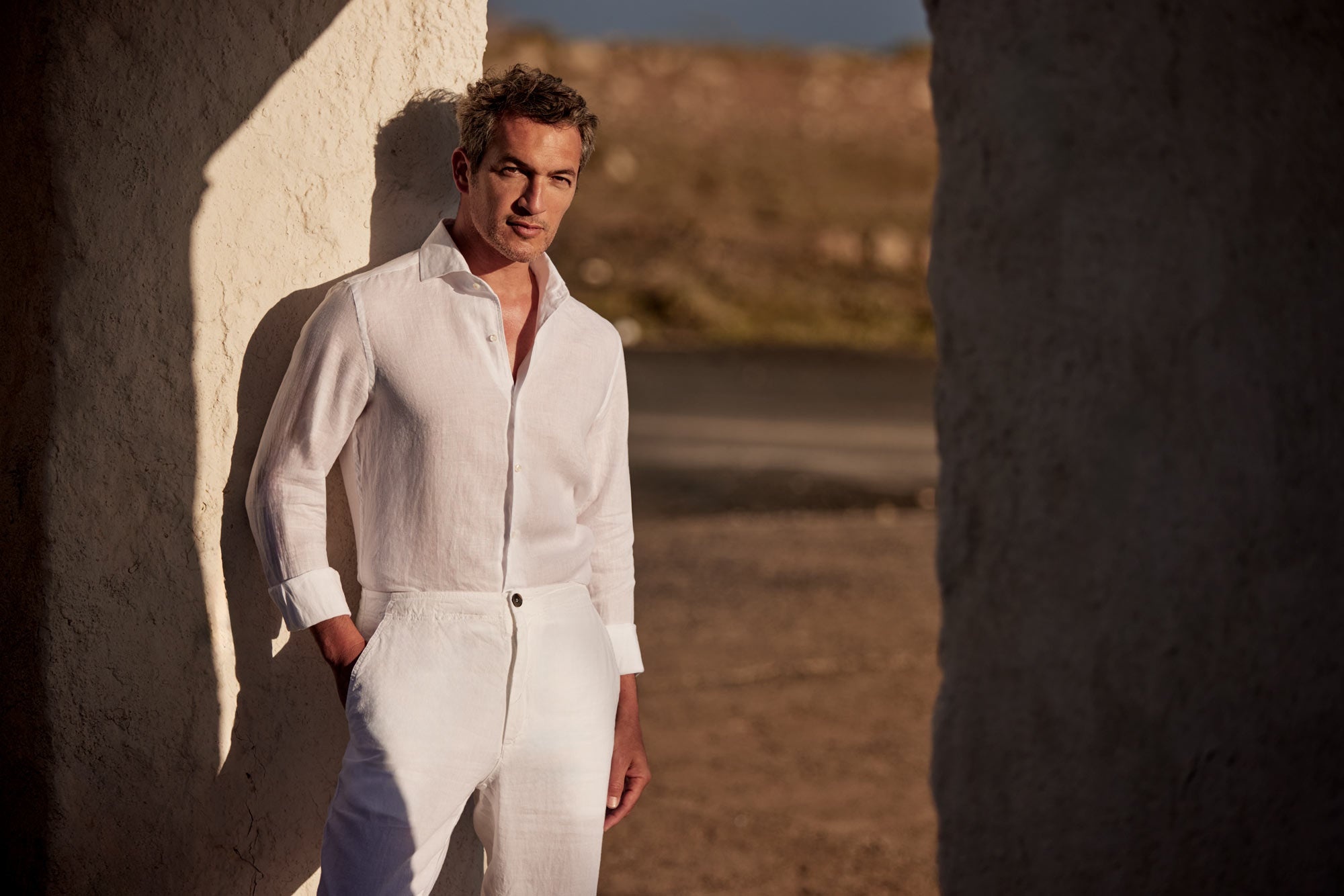
Linen Shirt Manufacturing
Premium linen shirts with custom branding and expert fabric handling
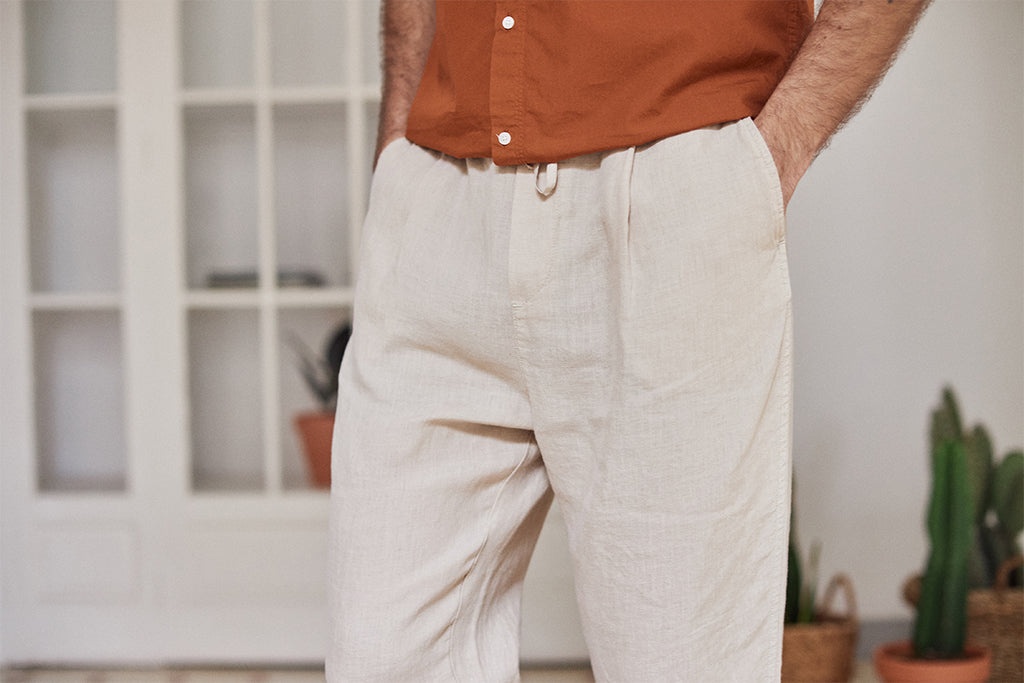
Linen Pants Manufacturing
Comfortable linen pants and trousers in various styles and fits
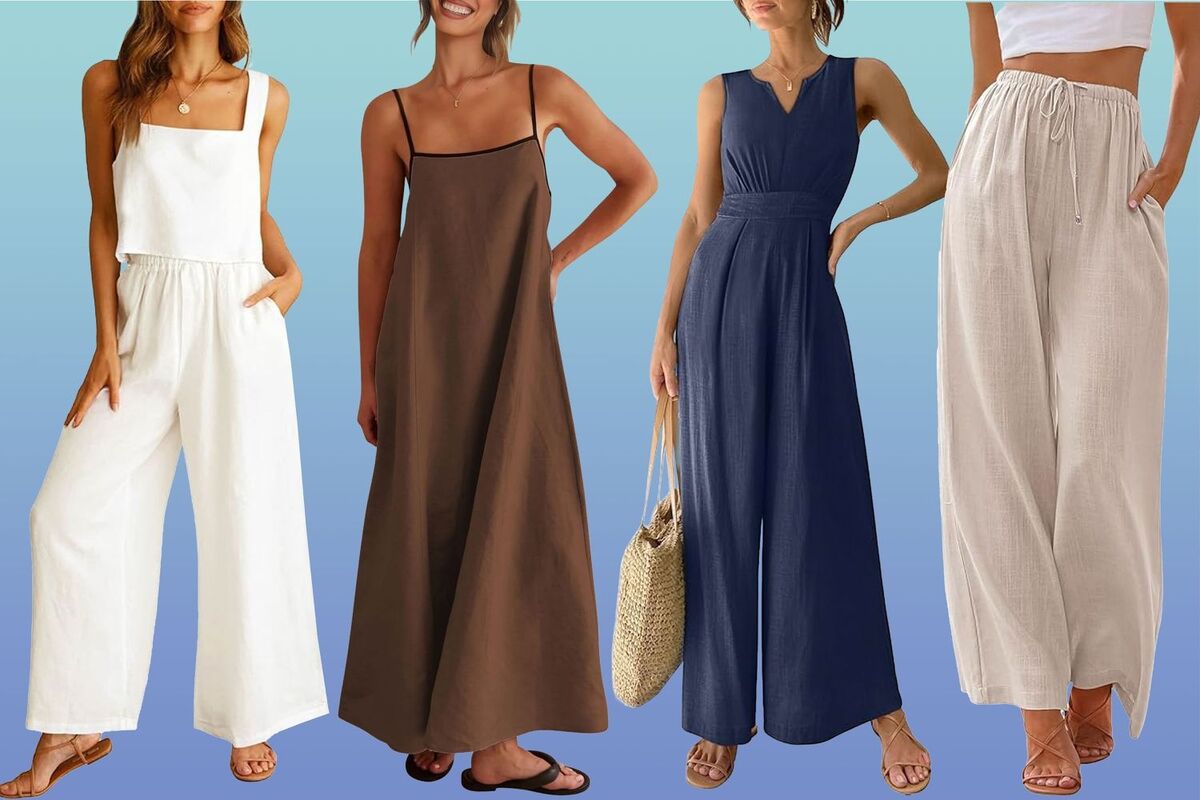
Linen Dress Manufacturing
Elegant linen dresses with professional pattern making and finishing
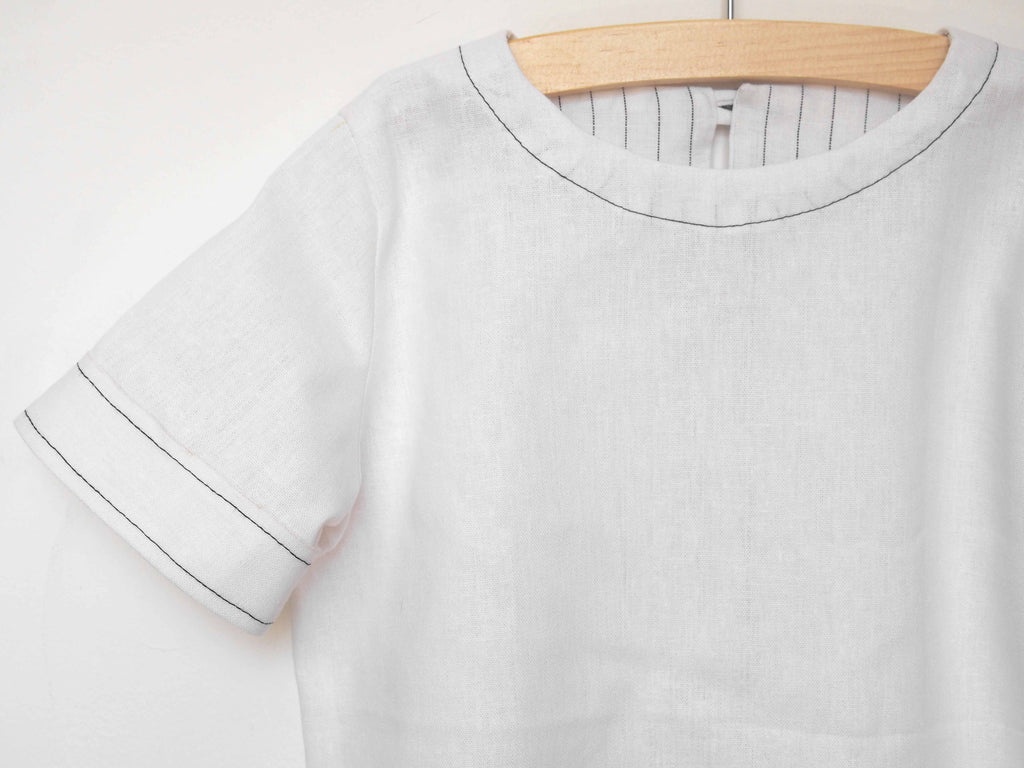
Linen T-Shirt Manufacturing
Breathable linen t-shirts and linen-cotton blend basics